
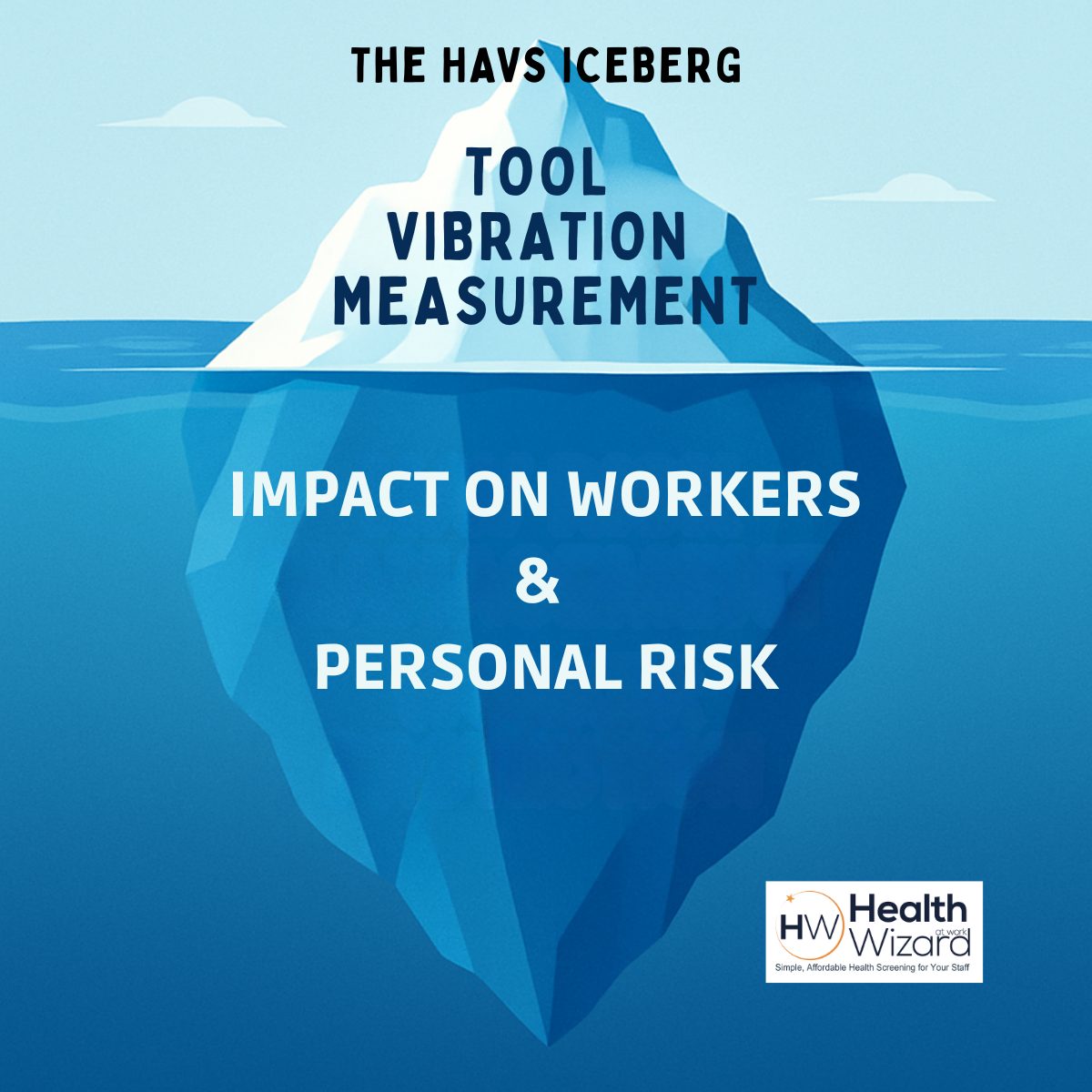
Across industries, vibration monitoring has come a long way. Tools fitted with vibration counters and smart sensors can now track exposure levels with impressive accuracy, giving employers valuable insight into how much vibration a worker is exposed to.
But here’s the catch: monitoring vibration exposure only tells half the story.
Vibration counters measure what’s happening to the tool — not what’s happening to the person. And because every person is different, so too is their reaction to stimuli like vibration from tools.
Hand Arm Vibration Syndrome (HAVS) is a long-term physical reaction to vibration – at work and at home – and no matter how advanced the technology, risk can’t be fully managed without keeping an eye on the individual.
Just as hearing protection must go hand-in-hand with hearing surveillance, HAV protection requires both sides of the equation:
- Protection through vibration monitoring and safe tool management
- Assessment through regular health surveillance using approaches like HAV Wizard
Together, they form a complete strategy: technology to limit exposure, and testing to track its impact. Because when it comes to HAVS, prevention isn’t just about the tools you use, it’s about the people who use them.
What are the legal requirements for HAV testing?
HAV testing with HAV WIzard forms part of your employer’s health surveillance programme. This is a legal requirement under the Control of Vibration at Work Regulations 2005 and the Health and Safety at Work Act. The aim is to protect your long-term health and detect any early signs of HAVS so that action can be taken before permanent damage occurs.
What are the HAVS symptoms to look out for?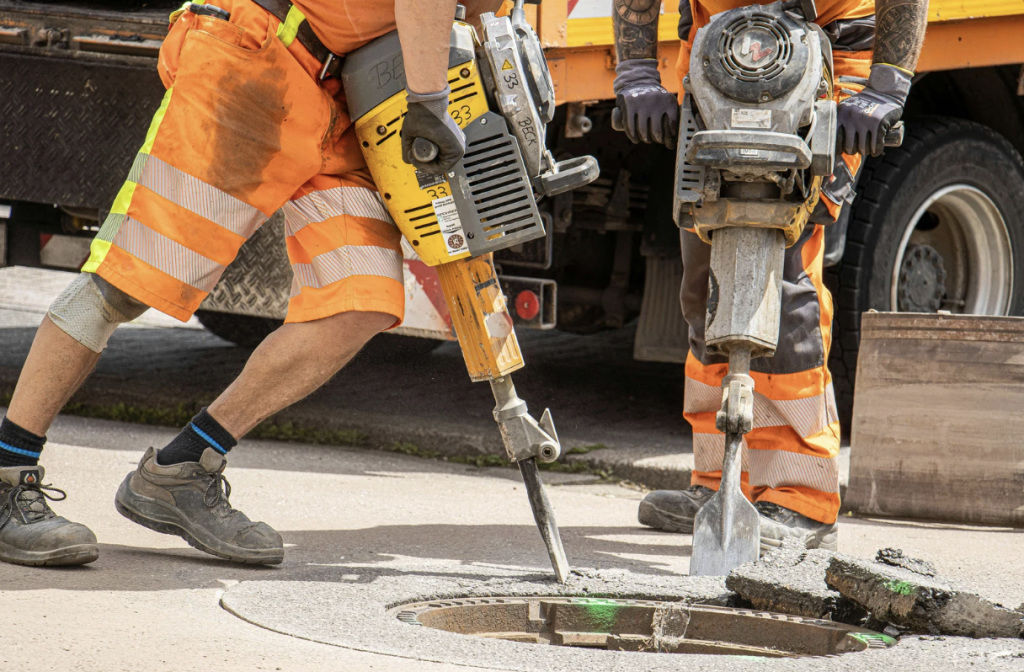
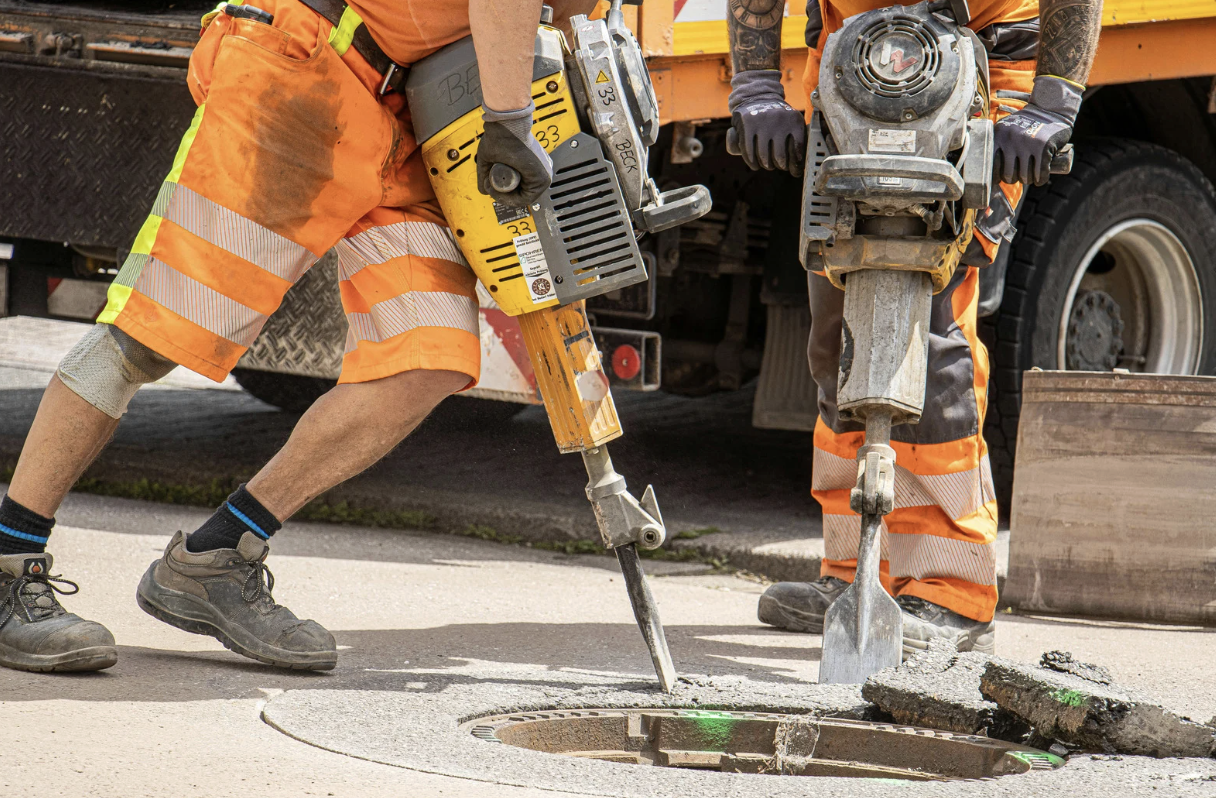
Early symptoms may include:
- Tingling or numbness in the fingers (look out for it continuing for 20 minutes after using vibrating tools)
- Reduced sense of touch or difficulty picking up small objects
- Fingers that go white or pale in cold or damp conditions, then turn red and painful when warming up
- Aching, stiffness, or weakness in the hands or forearms
If these symptoms are ignored, they can become permanent and affect your ability to work or carry out everyday tasks. Addressed early and a full recovery is possible.
What can I do to reduce the risk of vibration and HAVS?
- Break up the use of vibrating tools – 1 long session of vibration is worse for you than more shorter sessions
- Hold & use your equipment correctly – the correct stance reduces the amount of effort/ pressure applied
- Keep blades and cutting surfaces sharp – sharper tools require less pressure to cut and cut cleaner
- Maintain your equipment – vibration can come from within the tool as well as the cutting/operating surface
Get in touch with Health Wizard to find out more about easy user-operated HAV testing for your workforce.